
Mold Testing in Brick Tavern, PA

Find the Mold Before It Finds You

Get accurate testing that identifies exactly what’s growing in your home and where it’s hiding, so you can fix it right the first time.

Hear from Our Customers

Professional Mold Testing Services

Know What You're Dealing With

You can’t fix a mold problem if you don’t know where it is or what type you’re dealing with. That’s the reality most homeowners in Brick Tavern, PA face when they notice a musty smell or see discoloration on their walls.

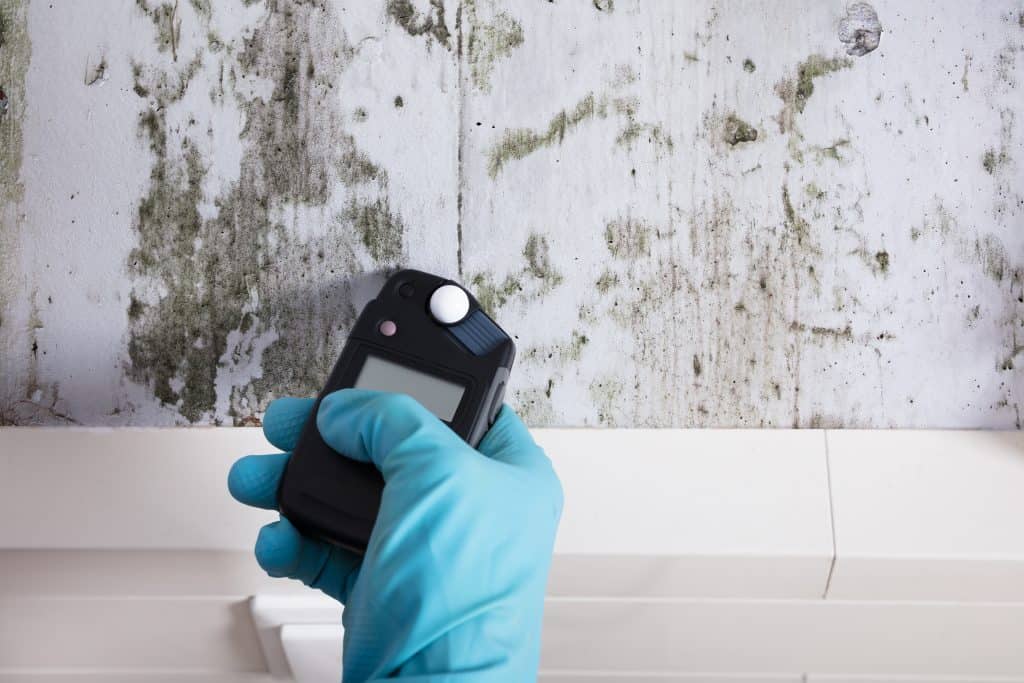
Professional mold testing gives you the full picture. We use thermal imaging to find moisture you can’t see, air quality testing to measure spore levels, and lab analysis to identify the exact species. This isn’t about scaring you with big numbers—it’s about giving you the information you need to make a smart decision.

Once you know what’s actually happening in your home, you can address it properly. No guessing. No treating symptoms while the source keeps growing behind your drywall. Just clear answers about what needs to happen next, whether that’s a simple fix or a more involved remediation. Most importantly, you’ll know if your family’s health symptoms are connected to what’s in your air.

Mold Testing Company Brick Tavern

We Test Homes in Bucks County Daily

We’ve been testing and treating mold in Bucks County homes for years. We know the local housing stock—plenty of homes in Brick Tavern were built in the 70s or earlier, which means older construction methods, settling foundations, and ventilation that wasn’t designed for today’s humidity levels.

We’re not the company that shows up, waves a meter around, and leaves you with a vague report. Our testing process uses EPA-approved methods and equipment that actually tells you something useful. We work in Brick Tavern because we live here, and we’ve seen what happens when homeowners skip testing and go straight to remediation—they waste money treating the wrong areas while the real problem keeps spreading.

You’ll get a detailed report that explains what we found, where we found it, and what it means for your home. No jargon. No upselling services you don’t need.

How Residential Mold Testing Works

Here's What Happens When We Test

We start with a visual inspection of your entire property—not just the obvious spots. That means checking behind appliances, inside HVAC systems, crawl spaces, attics, and anywhere moisture tends to collect. We’re looking for active growth, water damage, and conditions that support mold.

Next comes the technical work. We use moisture meters to find hidden water in walls and floors. Thermal cameras show us temperature differences that indicate leaks or poor insulation. Air sampling captures what’s floating around that you’re breathing every day. If we find visible growth, we take surface samples to identify the species.

Everything gets sent to an accredited lab for analysis. You’ll receive a full report within days that breaks down spore counts, identifies mold types, and maps out where problems exist. We’ll walk you through the results in plain language and explain what needs to happen next. If remediation is necessary, we’ll give you a clear scope of work. If it’s something you can handle yourself, we’ll tell you that too.

Ready to get started?

Explore More Services

About Mack's Mold Removal

Black Mold Test and Inspection

What's Included in Your Testing

Your mold testing includes a complete property inspection using professional-grade equipment. We bring thermal imaging cameras, moisture detection tools, and air sampling devices—not the cheap meters you’d buy at a hardware store.

Air quality testing measures the concentration of mold spores in your indoor environment compared to outdoor levels. This tells us if you have an active problem or just normal background levels. Surface sampling identifies the specific type of mold growing in your home, which matters because different species require different approaches.

In Brick Tavern, we see a lot of basement moisture issues and bathroom ventilation problems. Homes built before modern building codes often lack proper vapor barriers, and that creates perfect conditions for growth. We document everything with photos, measurements, and detailed notes. Your report includes lab results, a property sketch showing problem areas, and our professional recommendations. If you need to file an insurance claim or you’re buying or selling a home, this documentation gives you what you need.

How much does professional mold testing cost in Brick Tavern?

Most residential mold testing in Brick Tavern runs between $300 and $600, depending on your home’s size and how many samples we need to collect. A basic inspection with air sampling for a smaller home sits at the lower end. Larger properties or homes where we need multiple surface samples and extensive air testing cost more.

Here’s what affects the price: square footage, number of suspected areas, accessibility of spaces we need to check, and how many lab samples are required. If you’ve got a 1,200 square foot ranch with one problem area, that’s straightforward. If you’ve got a 3,000 square foot two-story with a finished basement and you’re smelling mold but can’t find it, that takes more time and testing.

We give you a clear estimate before we start. No surprises. And honestly, testing usually costs less than remediation, so knowing exactly what you’re dealing with before you start tearing into walls saves money in the long run. Some homeowners skip testing and end up treating areas that were fine while missing the actual source.

If you can see mold and you know where the moisture is coming from, you might not need testing—you need remediation. But here’s where testing still helps: it tells you if there’s more growth you can’t see, identifies what type you’re dealing with, and measures your air quality to know if spores have spread throughout the house.

Most visible mold is just the surface problem. What you see on your bathroom ceiling might be connected to a bigger issue in the wall cavity or attic. Testing finds those hidden areas before you spend money on remediation that only addresses part of the problem. It also gives you documentation if you’re filing an insurance claim or if you need to prove the issue is resolved after treatment.

The other reason to test: health symptoms. If someone in your home is having respiratory issues, allergies, or unexplained illness, air quality testing shows whether mold spores are the cause. You might see a small patch of growth but have high spore counts throughout the house because your HVAC system is spreading it. Testing gives you the full picture, not just what’s visible.

The on-site inspection and testing usually takes two to four hours, depending on your home’s size and how many areas we’re checking. We’re not rushing through it—we’re being thorough. That includes the visual inspection, moisture readings, thermal imaging, and collecting air and surface samples.

Lab results typically come back within three to five business days. The lab is analyzing samples to identify mold species and count spore concentrations, which takes time to do accurately. Rush processing is available if you’re in a time-sensitive situation like a real estate transaction, but standard turnaround is usually fine for most homeowners.

Once we get the lab results, we’ll schedule a call or meeting to review everything with you. We’ll explain what the numbers mean, show you where problems are on your property sketch, and discuss next steps. The whole process from inspection to final report usually wraps up within a week. If remediation is needed, we can start as soon as you’re ready—we don’t make you wait weeks for an opening.

Air testing measures the concentration of mold spores floating in your indoor air. We collect samples from different rooms and compare them to outdoor levels. This tells us if you have elevated spore counts and whether mold is actively releasing spores into your breathing space. It’s useful when you smell mold but can’t find it, or when you want to verify that air quality is safe after remediation.

Surface testing involves taking samples directly from visible growth or suspicious areas. We use swabs or tape to collect material, then send it to the lab for species identification. This tells us exactly what type of mold is growing and helps determine the right treatment approach. Some species are more aggressive or concerning than others, so identification matters.

Most comprehensive testing includes both. Air testing shows you the overall indoor air quality situation. Surface testing identifies specific problem areas and mold types. Together, they give you complete information. If you’re trying to save money, we can recommend which type makes more sense for your specific situation based on what we see during the initial inspection. Sometimes one is enough, sometimes you need both.

Home test kits from the hardware store will tell you if mold is present, which isn’t particularly useful—mold exists in every home. What they won’t tell you is the concentration level, whether it’s elevated compared to normal, where it’s coming from, or what species you’re dealing with. They also can’t find hidden growth or measure moisture levels in your walls.

The bigger issue is that those kits often produce false positives or miss the actual problem areas. You’re collecting samples without knowing where to test or how to interpret results. Professional testing uses calibrated equipment and follows specific protocols to ensure accurate results. We know where mold typically hides in Brick Tavern homes based on local construction and climate patterns.

If you’re just curious, a home kit might satisfy that curiosity. If you’re dealing with health symptoms, planning remediation, need documentation for insurance, or want to actually solve a mold problem, professional testing is worth the cost. You’ll spend $20-40 on a kit that gives you limited information, or a few hundred on testing that tells you exactly what’s happening and what to do about it. Most homeowners who start with DIY kits end up calling us anyway after they realize they need more information.

Standard mold testing is non-invasive. We don’t cut into walls or tear anything apart during the inspection. Thermal imaging and moisture meters let us detect problems without causing damage. Air sampling just involves running a pump that collects air. Surface sampling uses tape or swabs on visible areas.

The only time we’d recommend invasive inspection is if we detect moisture or temperature anomalies that suggest hidden growth, and you want confirmation before starting remediation. Even then, we’d discuss it with you first and limit any exploratory openings to small areas that can be easily repaired. We’re not going to tear up your home on a hunch.

Most testing leaves your property exactly as we found it. You won’t have holes to patch or repairs to make. If we do find issues that require further investigation, we’ll explain why it’s necessary and what it involves before doing anything. The goal is to get you answers without creating more problems. After years of testing homes in Bucks County, we know how to inspect thoroughly while respecting your property.

Other Services we provide in Brick Tavern